

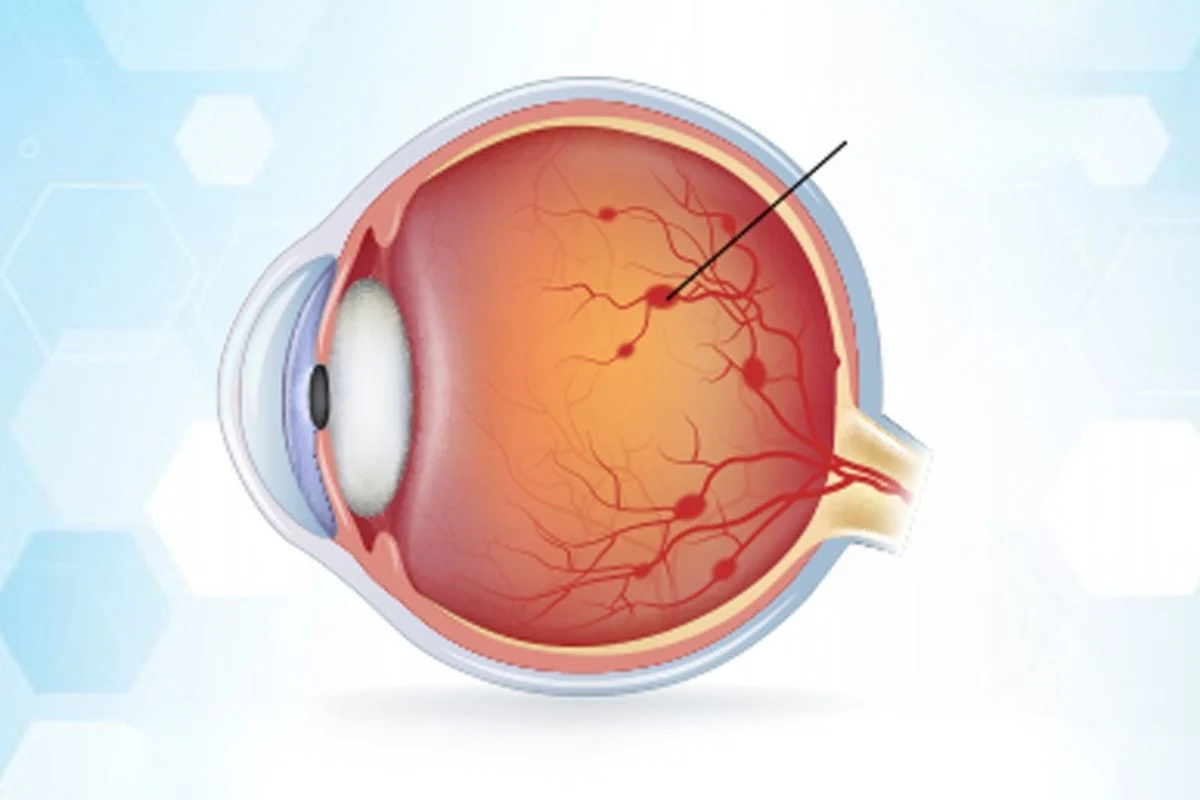
Diabetic Retinopathy is a serious diabetes-related eye disease that affects the retina, the light-sensitive layer at the back of the eye responsible for clear vision. It develops when high blood sugar levels damage the tiny blood vessels inside Diabetic retinopathy damages the retina, leading to vision problems and, in severe cases, permanent blindness. One of the biggest concerns with diabetic retinopathy is that it often develops slowly without noticeable symptoms in the early stages. This is why regular diabetic eye check-ups are extremely important for early diagnosis and timely treatment. Consulting an experienced Retina Specialist in Bangalore can help detect retinal changes early and prevent vision loss through appropriate management and care.
At Advaith Eye Hospital, Banashankari, we provide advanced Diabetic Retinopathy diagnosis and treatment in South Bangalore using modern retinal imaging technology and expert diabetic eye care. If you are living with diabetes and experiencing blurry vision, floaters, or difficulty seeing clearly, consulting a retina specialist in Banashankari can help protect your eyesight before permanent damage occurs.
In the early stages, diabetic retinopathy may not show obvious symptoms. As the condition progresses, vision problems gradually begin to appear. Recognizing these symptoms early can help prevent severe vision loss.
Blurred Vision or Vision Loss
As diabetic retinopathy progresses, damaged blood vessels in the retina may leak fluid, causing blurry or distorted vision. Some patients may also experience gradual vision loss if the condition is left untreated.
Floaters or Dark Spots
Dark spots, floaters, or cobweb-like shadows may appear when bleeding occurs inside the eye due to damaged retinal blood vessels. These floaters can interfere with clear vision and should not be ignored.
Difficulty Seeing at Night
Reduced night vision or difficulty seeing in low-light conditions is another common symptom of diabetic retinopathy. Patients may struggle while driving at night or moving in dimly lit areas.
Difficulty Distinguishing Colors
As retinal cells become damaged, color vision may also get affected, making it difficult to identify or differentiate certain colors clearly.
The main cause of diabetic retinopathy is prolonged high blood sugar levels, which damage the tiny blood vessels inside the retina.
Over time, this damage affects blood circulation and oxygen supply to the retina, leading to vision problems.
At our Eye Hospital in Banashankari, our experienced Retina Specialist in Bangalore carefully evaluates the stage and severity of retinal damage before recommending the most appropriate treatment plan.
Diabetic retinopathy develops gradually in different stages.
At Advaith Eye Hospital, Banashankari, we diagnose and treat different types of diabetic retinal disease, including:
Our experienced retina specialists use advanced diagnostic technology for accurate evaluation and treatment planning.
Several factors can increase the risk of developing diabetic retinopathy, including poor blood sugar control, high blood pressure, high cholesterol, long-standing diabetes, smoking, and obesity. Regular eye examinations with a Retina Specialist in Bangalore can help identify these risk factors early and prevent vision-threatening complications through timely intervention.
People with diabetes should undergo regular retina check-ups even if vision appears normal.
Preventing diabetic retinopathy mainly involves proper diabetes management and regular eye care. Consulting a Retina Specialist in Bangalore for routine retinal screenings can help detect early signs of diabetic eye disease before vision is affected. At our Diabetic Eye Care Hospital in Banashankari, we help patients understand the importance of preventive eye health and provide expert care to protect their vision.
Prevention Tips:
Early detection can significantly reduce the risk of permanent vision loss.
Diabetes can affect many parts of the eye and may lead to serious vision problems if not treated early. Regular eye check-ups are very important for diabetic patients because early detection can help prevent permanent vision loss. Common eye problems caused by diabetes include frequent changes in eye power, cataracts, glaucoma, diabetic retinopathy, and swelling in the retina known as macular edema. Among these, diabetic retinopathy is one of the most serious conditions and can lead to blindness if left untreated.
At Advaith Eye Hospital, we emphasize the importance of preventive diabetic eye care and timely treatment. Diabetes can also affect the lens and iris of the eye, causing blurred vision and difficulty in pupil dilation. With advanced eye care facilities and the guidance of Dr. Nataraj H. R, who has over 26 years of experience in ophthalmology, Advaith Eye Hospital is committed to helping patients protect their vision and maintain long-term eye health.
Diabetic Retinopathy is a serious eye condition caused by diabetes that can gradually damage the retina and lead to permanent vision loss if left untreated. Early diagnosis and timely treatment are extremely important to protect eyesight and prevent complications. At Advaith Eye Hospital, Banashankari, we provide advanced diabetic retina screening, diagnosis, and treatment using modern retinal imaging technology and expert retina care specialists in South Bangalore.
Our experienced eye doctors carefully evaluate retinal health and recommend personalized treatment plans based on the stage and severity of diabetic retinopathy. If you are experiencing blurry vision, floaters, or vision changes due to diabetes, visiting a retina specialist in Banashankari at the right time can help preserve your vision.
At our Eye Hospital in Banashankari, diabetic retinopathy is diagnosed through detailed retinal examinations and advanced eye imaging tests that help detect early retinal damage caused by diabetes.
The treatment and management of diabetic retinopathy depend on how advanced the condition is. At Advaith Eye Hospital, Banashankari, our retina specialists provide personalized diabetic eye care to help control disease progression and protect vision.
Mild diabetic retinopathy cases may only require regular eye monitoring, diabetes management, and blood sugar control.
Moderate to severe diabetic retinopathy may require retinal laser treatment or eye injections to reduce swelling and prevent further damage.
Advanced diabetic retinopathy cases may require vitrectomy surgery to remove blood from the eye and reduce the risk of retinal detachment and permanent blindness.
The main goal of diabetic retinopathy treatment is to slow down or stop disease progression and preserve vision as much as possible.
In the early stages of non-proliferative diabetic retinopathy, regular retina check-ups, healthy lifestyle changes, blood sugar control, proper diet, and exercise can help manage the condition effectively.
If diabetic retinopathy progresses, damaged blood vessels may leak blood and fluid into the retina, causing diabetic macular edema and blurry vision.
Laser treatment helps stop this leakage and protect retinal tissue.
Focal Laser Photocoagulation
This laser treatment targets specific leaking blood vessels in the macula to prevent worsening of macular edema and preserve central vision.
Scatter Laser Treatment
In advanced proliferative diabetic retinopathy, abnormal blood vessels grow inside the retina. Scatter laser treatment creates tiny laser burns across the retina, helping these abnormal blood vessels shrink and disappear.
In some cases, retina specialists may recommend anti-VEGF injections directly into the eye. These medications help reduce retinal swelling, slow vision loss, and improve vision in diabetic macular edema patients.
Steroid injections may also be used to reduce inflammation and swelling inside the retina.
For advanced diabetic retinopathy, vitrectomy surgery may be required.
In this procedure:
Vitrectomy surgery helps improve retinal stability and reduce the risk of permanent vision loss.
our experienced retina specialists at Advaith Eye Hospital, Banashankari are here to help with advanced diagnosis, retinal imaging, laser treatment, injections, and diabetic retina surgery.
We are committed to providing compassionate diabetic eye care and protecting your vision through early diagnosis and advanced retinal treatment. Book your diabetic retina consultation today and take the right step toward preserving your eyesight for the future.
Diabetic retinopathy cannot be completely reversed once significant retinal damage occurs, but early diagnosis and proper treatment can help slow down or stop the progression of the disease. In the early stages, controlling blood sugar levels, blood pressure, and cholesterol can help protect the retina and prevent further damage.
For advanced diabetic retinopathy, treatments such as retinal laser therapy, anti-VEGF eye injections, and vitrectomy surgery may be required to preserve vision and prevent blindness. At Advaith Eye Hospital, Banashankari, our retina specialists focus on early diabetic eye screening and advanced retinal treatment to help patients maintain healthy vision for the long term.
Diabetic retinopathy is detected through a detailed diabetic eye examination performed by a retina specialist. At our Eye Hospital in Banashankari, advanced retinal diagnostic tests are used to identify retinal damage caused by diabetes at an early stage.
These tests may include:
During the dilated eye examination, the retina specialist carefully checks for abnormal blood vessels, retinal swelling, leakage, or bleeding inside the eye. Regular diabetic retina screening is very important because early detection can help prevent severe vision complications.
In many patients, diabetic retinopathy develops silently without early symptoms. However, some of the first warning signs may include:
As diabetic retinal damage progresses, vision problems may worsen and can eventually lead to permanent blindness if left untreated. Regular diabetic eye check-ups at an experienced retina eye hospital in Banashankari can help identify the condition before serious vision loss occurs.
Diabetes can increase the risk of several serious eye conditions in addition to diabetic retinopathy.
These include:
DME causes swelling in the retina, especially in the macula, leading to blurred central vision and difficulty reading or recognizing faces.
People with diabetes are more likely to develop cataracts earlier in life, causing cloudy vision and glare sensitivity.
Diabetes can also increase the risk of glaucoma, a condition that damages the optic nerve due to increased eye pressure and may lead to permanent vision loss.
Managing diabetes properly and attending regular eye screenings can significantly reduce the risk of these complications.
The best diabetic retinopathy treatment depends on the stage and severity of retinal damage.
For mild diabetic retinopathy, maintaining healthy blood sugar levels, proper diet, exercise, and regular eye monitoring may help control the condition.
For advanced diabetic retinopathy, treatment options may include:
These treatments help reduce retinal swelling, stop abnormal blood vessel growth, and protect vision from further damage.
At Advaith Eye Hospital, Banashankari, our retina specialists provide personalized diabetic retina treatment plans using advanced retinal care technology.
The best way to reduce the risk of diabetic retinopathy is through proper diabetes management and regular eye care.
Important preventive steps include:
Routine retina check-ups help detect diabetic eye disease early and allow timely treatment before severe vision loss develops.
At Advaith Eye Hospital, Banashankari, our experienced retina specialists are committed to helping diabetic patients protect their eyesight through advanced screening, early diagnosis, and compassionate diabetic eye care.